

Text。Photography:Jel Lam(山影紅)
Ever since childhood, I have been fascinated by the forms of fungi, which are both charming and imbued with a fairy-tale quality. They appear in almost every storybook, often merely as part of the background, yet they have left a deep impression upon me.
I cherish the days spent in the mountains, playing in the rocky streams, enjoying the fun of climbing, or running through the hills to experience the thrill of speed. Counting on my fingers, I realized I have been hiking for eleven years, and seriously exploring and searching for fungi has only been a pursuit of the last six years. During this time, I have discovered many interesting fungi and slime molds in the wilderness, which led me to start researching their names (scientific names). The fungi database in Taiwan is very comprehensive, captivating me and providing me with a wealth of knowledge. The varieties I had never encountered before turned out to be waiting at the next stop, filling me with anticipation and joy.
Because of fungi, I have come to love the dense forests where sunlight hardly penetrates, with vines and epiphytes all around. Light-blocking, moisture-rich forests greatly increase the chances of discovering fungi; even in sunny hiking trails, there can be rich finds in spring and summer, all depending on humidity.
Fungi play important roles in nature, decomposing dead trees, branches, and leaves, as well as breaking down corpses and dung, accelerating the decomposition of waste into the nutrients required by the earth, thereby nourishing the entire forest. The mycelium of fungi forms a mycorrhizal network with plants, helping them absorb nutrients from the soil, while plants perform photosynthesis to provide organic matter to the fungi. This is the “symbiotic relationship” found in nature.
For humans, fungi are also invaluable vegetarian ingredients; they are low in calories yet rich in vitamins, minerals, and polysaccharides, which help enhance immunity. Certain components in fungi can activate the immune system and can be developed into nutritional supplements, playing various roles in medicine and environmental protection.
Let me share a few of the fungi I have discovered in Hong Kong over the years!
Incrustocalyptella orientalis
From October to December, small clusters of light brown fungi grow on the dead leaves of Camellia plants. Initially cup-shaped, they later develop dark brown to black stipes, occasionally with forks, but without gills. The pileus diameter can reach a maximum of 3 mm, and the overall height can reach up to 24 mm, with a crystalline surface.
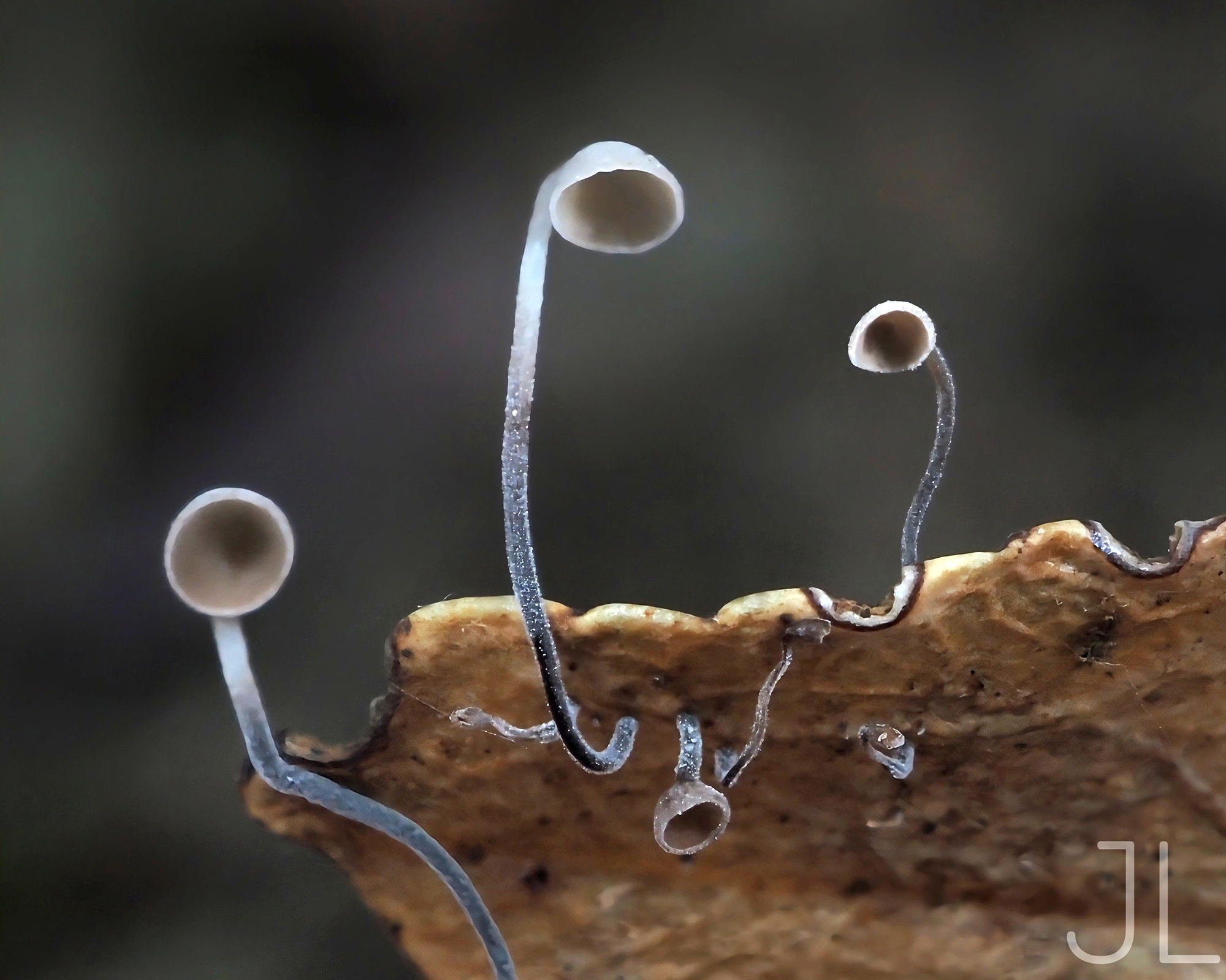 Incrustocalyptella orientalis (Discovered in Hong Kong, autumn 2022).
Catinella olivacea
Growing in clusters on dead wood, the pileus diameter of the disc fungus can reach up to 5 mm. The body is dark green, with a mustard color around the edges, becoming darker as it matures.
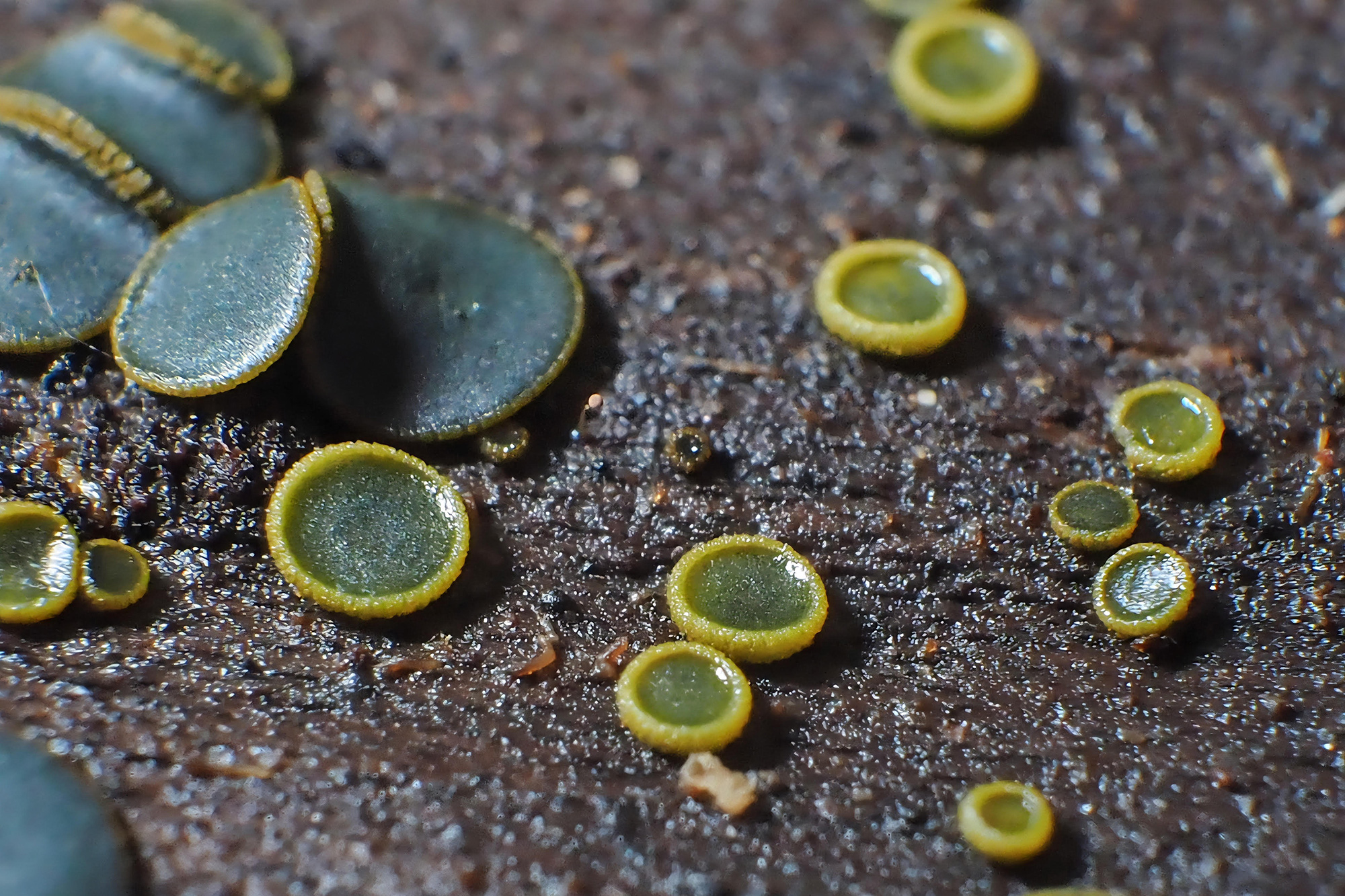 Catinella olivacea (Discovered in Hong Kong, summer 2021).
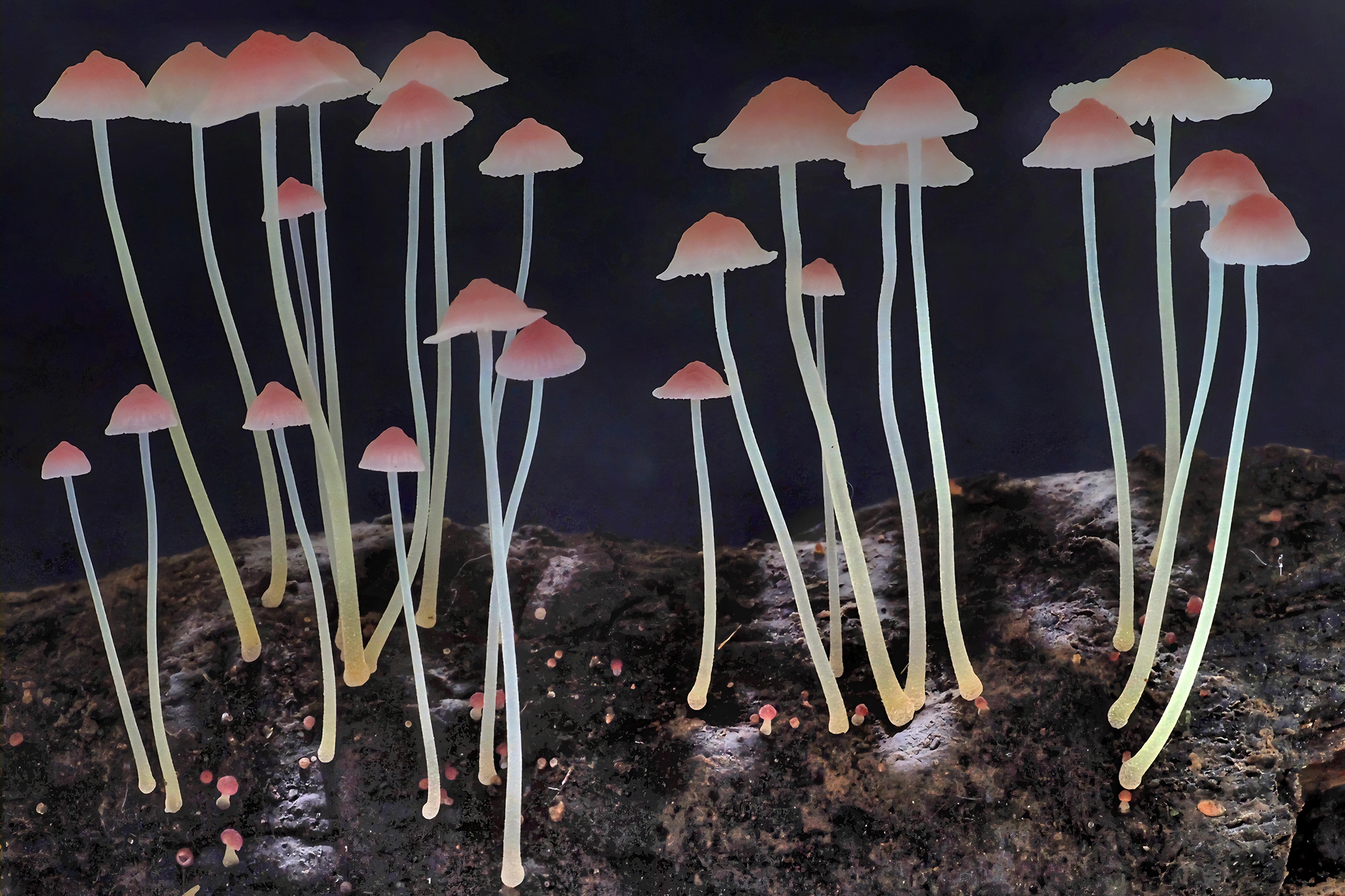
Hemimycena species
Scattered on dead wood, the pileus diameter can reach up to 5 mm. As they grow larger, they become lighter in color; after maturing, the stipe turns pale yellow. They bear a strong resemblance to the Taiwanese variety, though no hairs were observed at the base. They can be seen in all seasons.
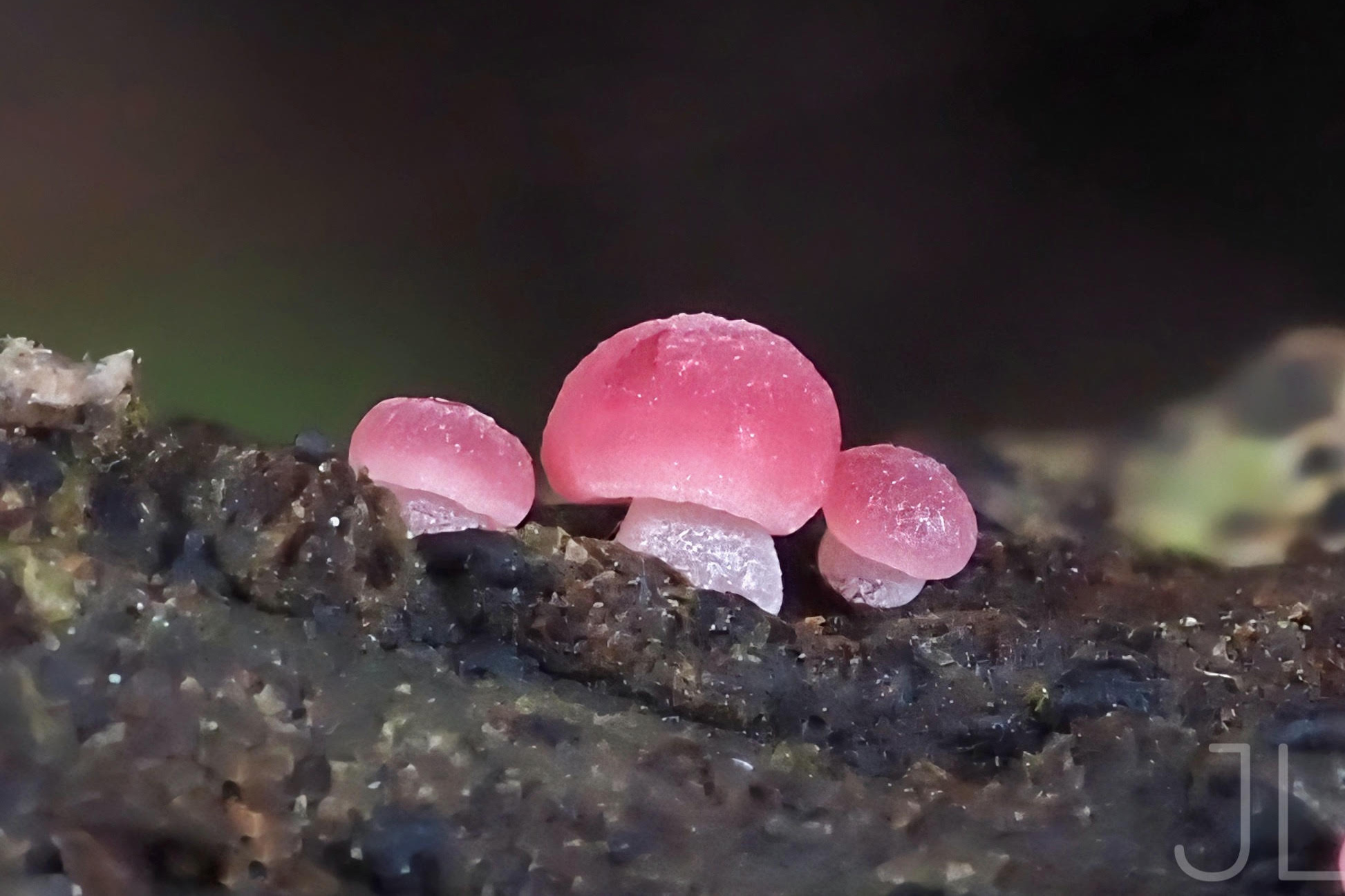 Hemimycena species (Discovered in Hong Kong, early autumn 2021).
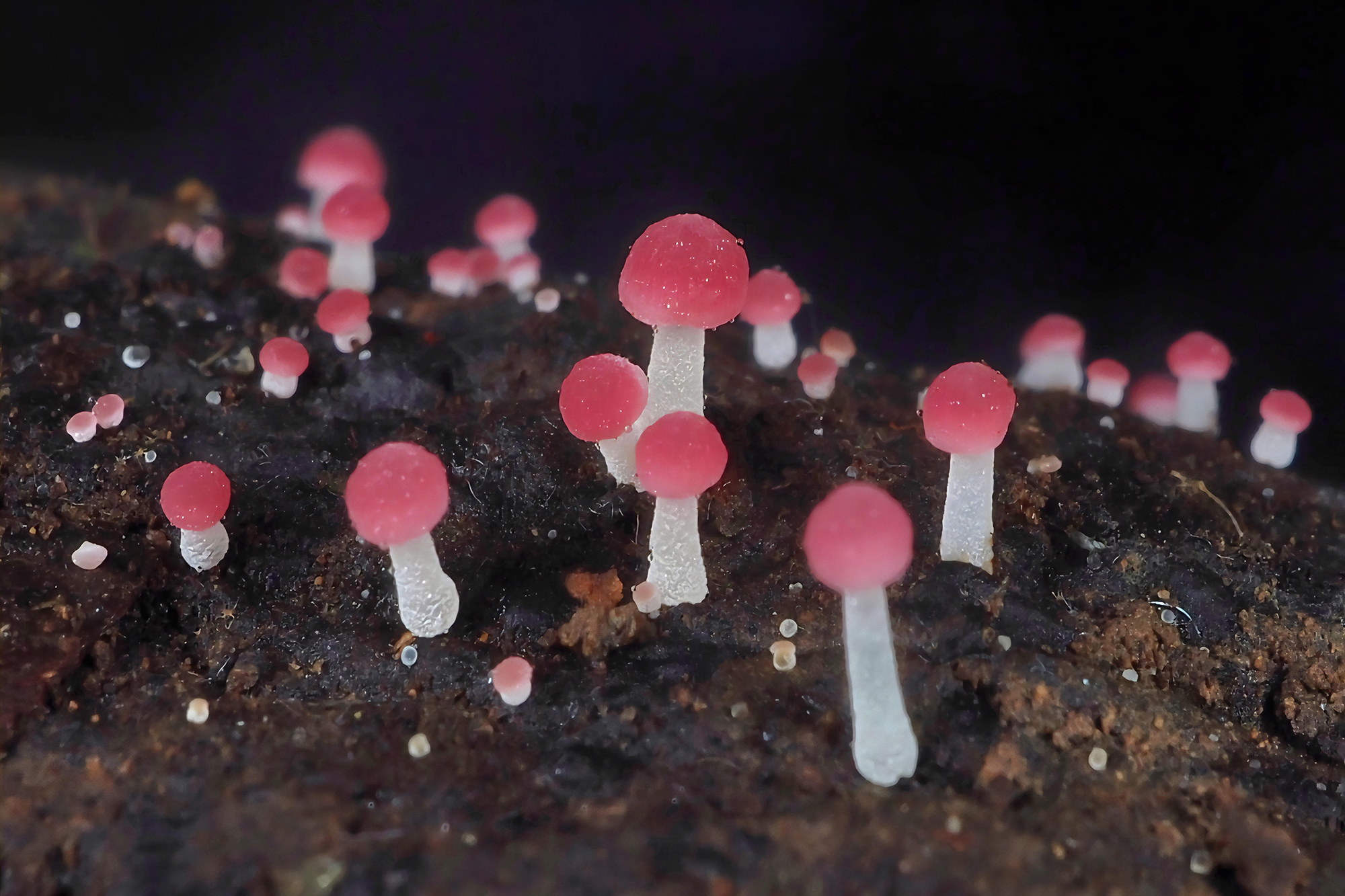 Small fungi scattered around.
Roridomyces roridus
They can be found on dead branches, leaves, or wood. The pileus diameter of the mature fungi is within 5 mm, and the stipe is coated with a transparent slime. The higher the humidity, the thicker the slime becomes, and the gills extend. This type only has bioluminescent mycelium.
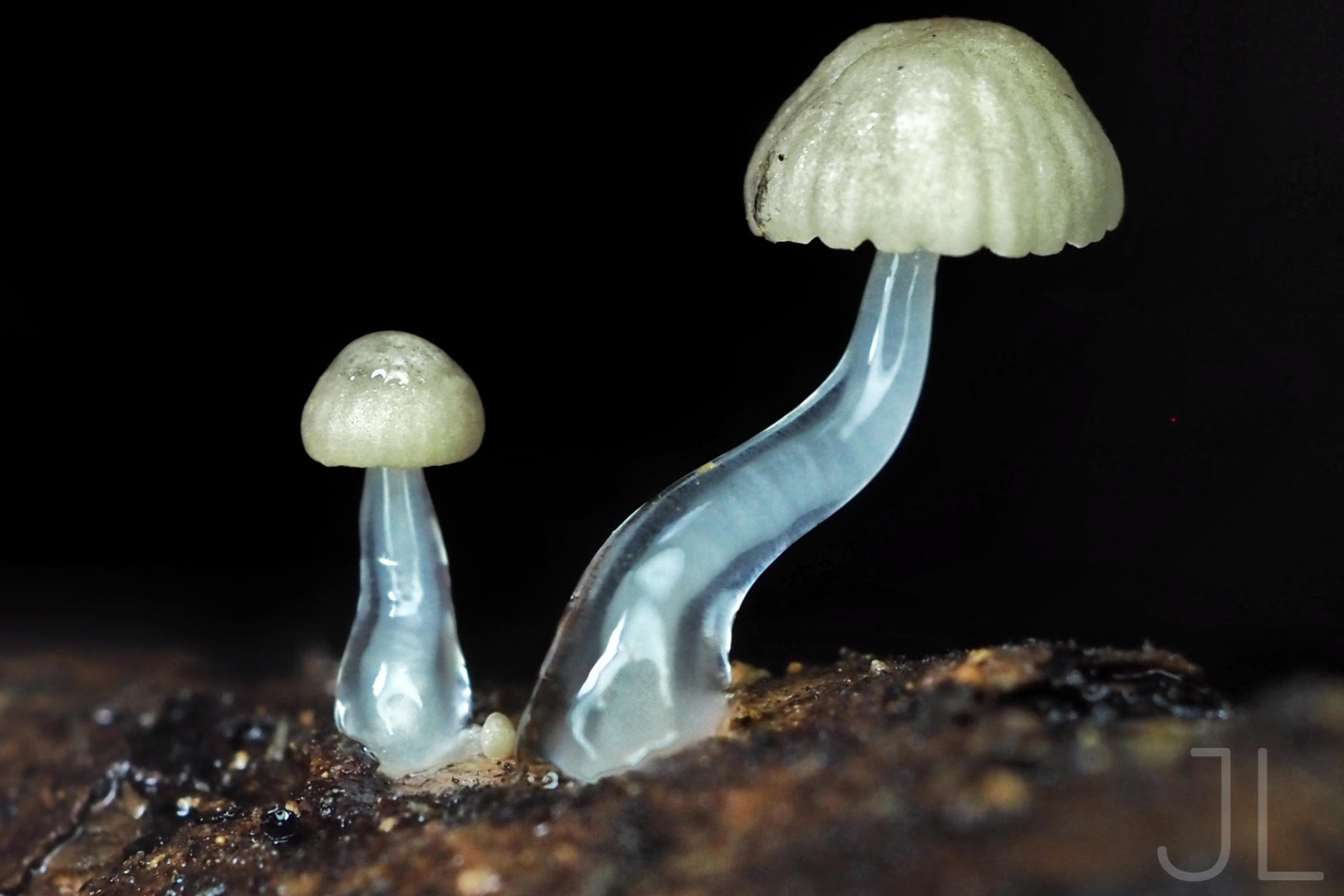 Roridomyces roridus (Discovered in Hong Kong, early summer 2021).
Aspergillus flavus
Every year from July to early September is the seed dispersal season for Common Aporosa. When their seeds leave the pods and encounter moist soil, they will sprout this beautiful Aspergillus flavus. Initially, small fungi will emerge with white hairs from the seeds, and after a while, they will form the yellow mold shown in the picture. As they mature, they turn yellow and dry into a powdery form.
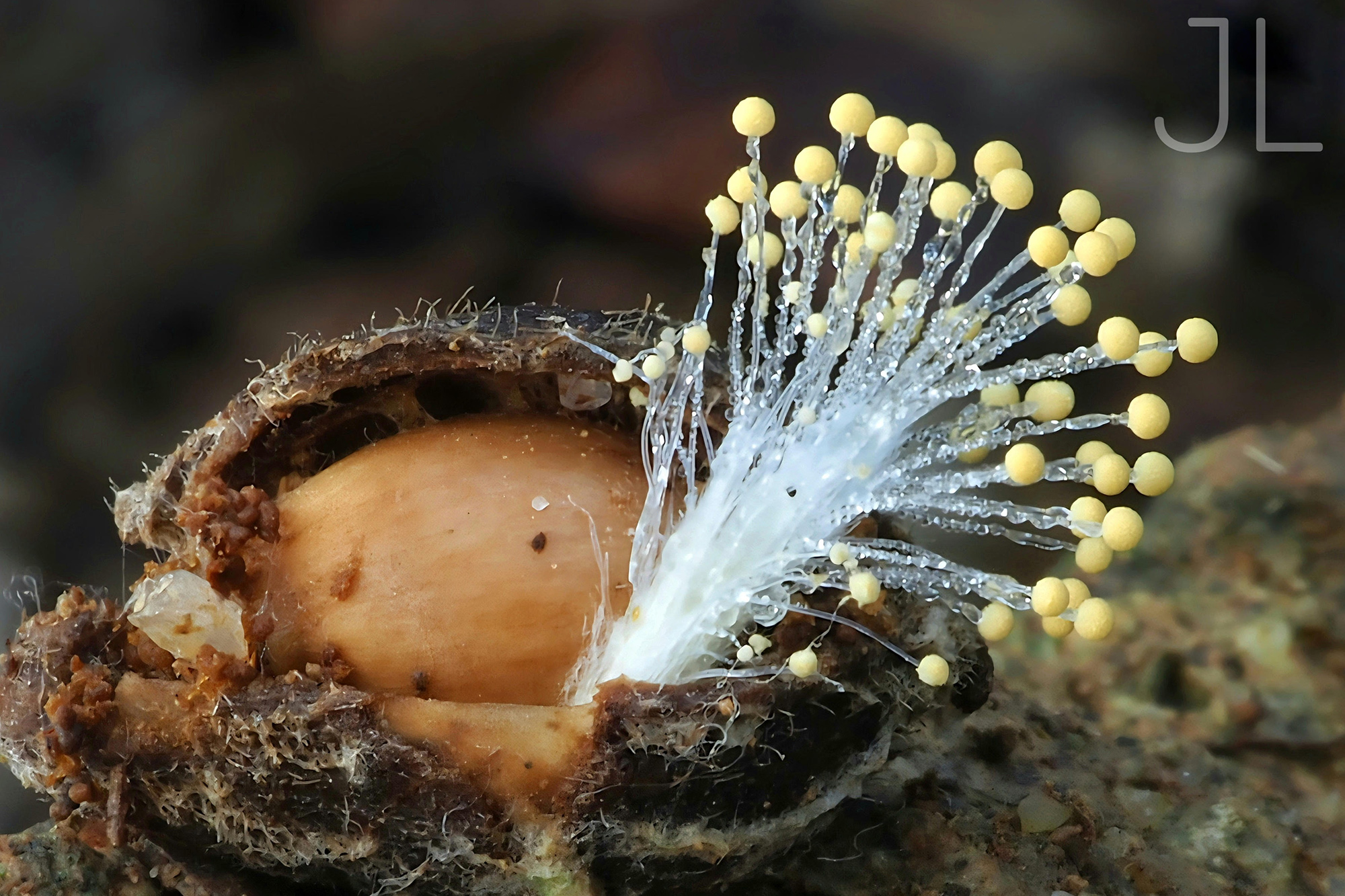 Although Aspergillus flavusis beautiful, it is harmful to humans (Discovered in Hong Kong, July 2022).
Mycena lazulina
During the plum rain season, numerous mini fungi grow in clusters on dead bamboo. When first discovered, the blue stipes are truly striking, as they are small, with the maximum pileus diameter measuring only 3 mm.
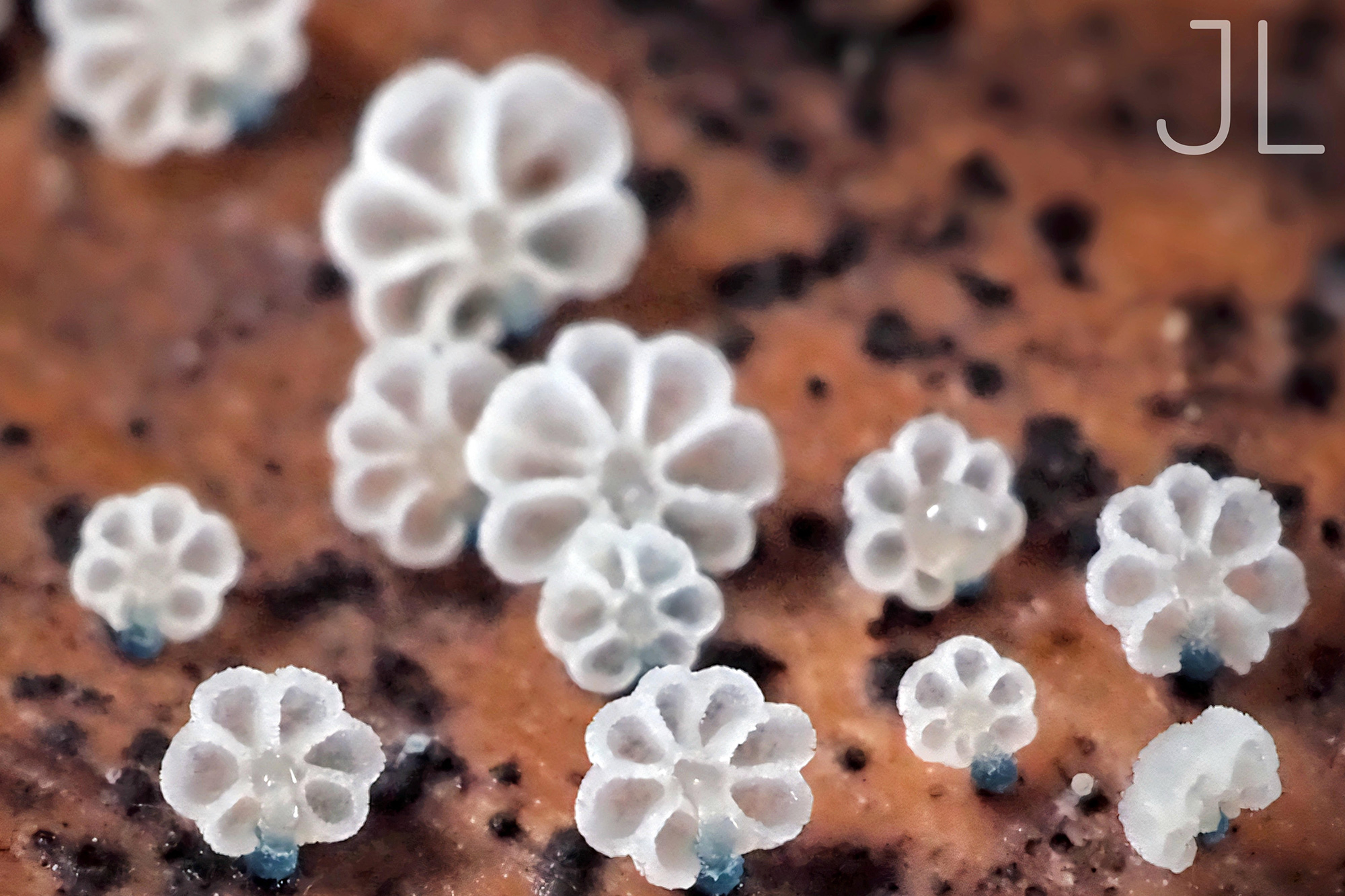 Mycena lazulina (Discovered in Hong Kong, May 2022; early July 2022, found on dead Miscanthus stems).
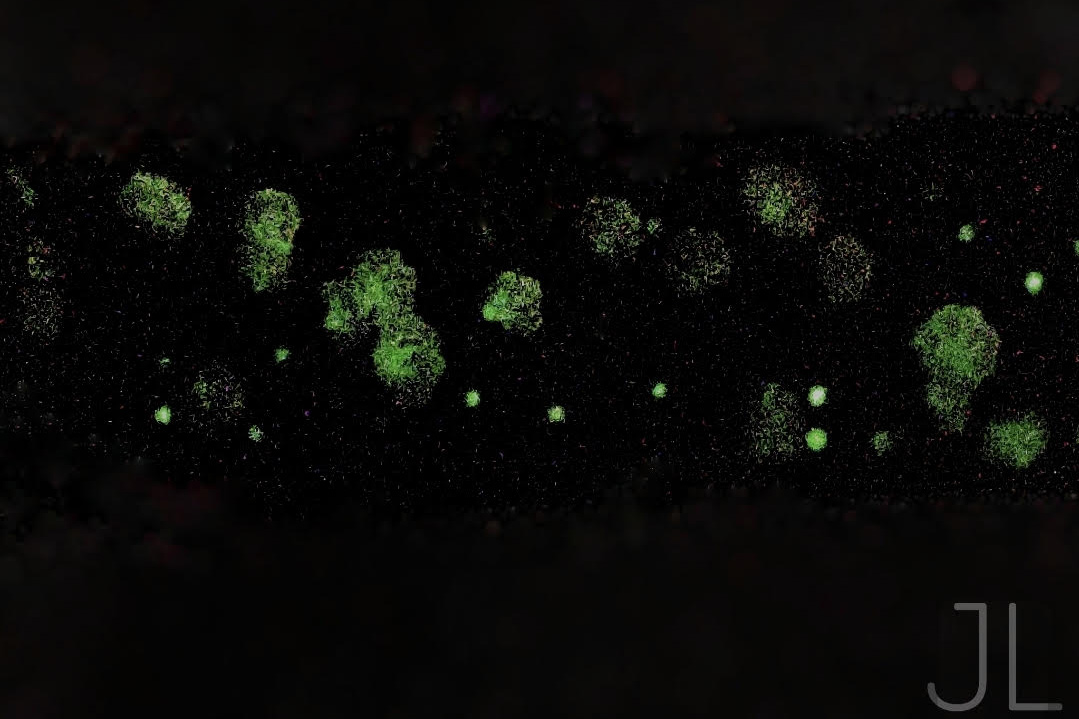 Mycena lazulina is bioluminescent, emitting a faint green light in complete darkness.
Ramariopsis pulchella
Resembling the appearance and color of the Clavaria zollingeri, it has a small size, measuring less than 3 cm. It features varying degrees of purple hues, with a base covered in gray to gray-white powder. The species name ‘pulchella‘ means small and beautiful.
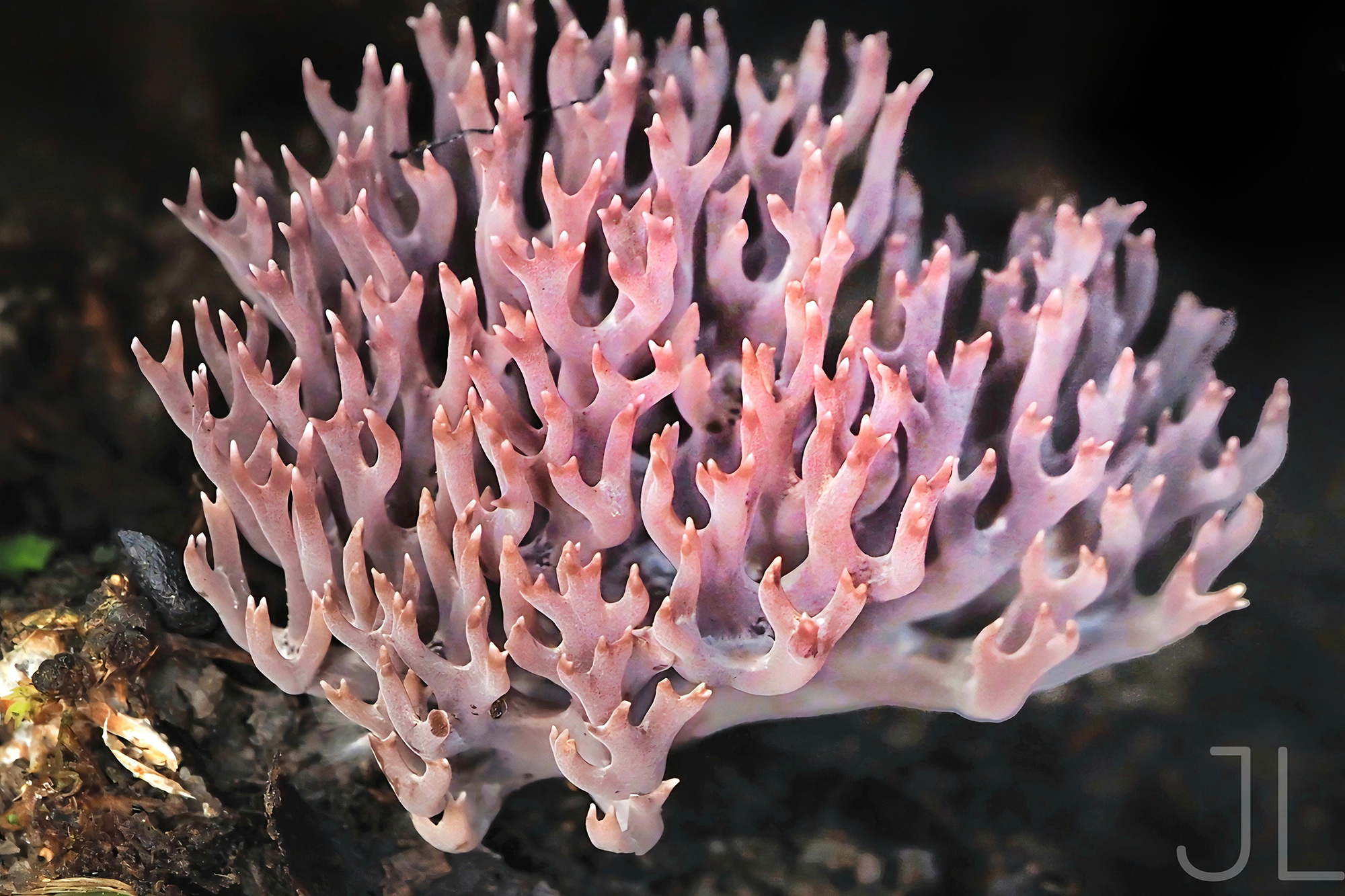 Ramariopsis pulchella(Discovered in Hong Kong, August 2023).
Phaeoclavulina cyanocephala
Terrestrial in nature, each branch tip is blue, as its name ‘blue-tipped’ suggests, with a height that can reach up to 11 cm. This fungus is very common in Hong Kong during the summer, turning brown to black in its mature stage, making it more difficult to identify.
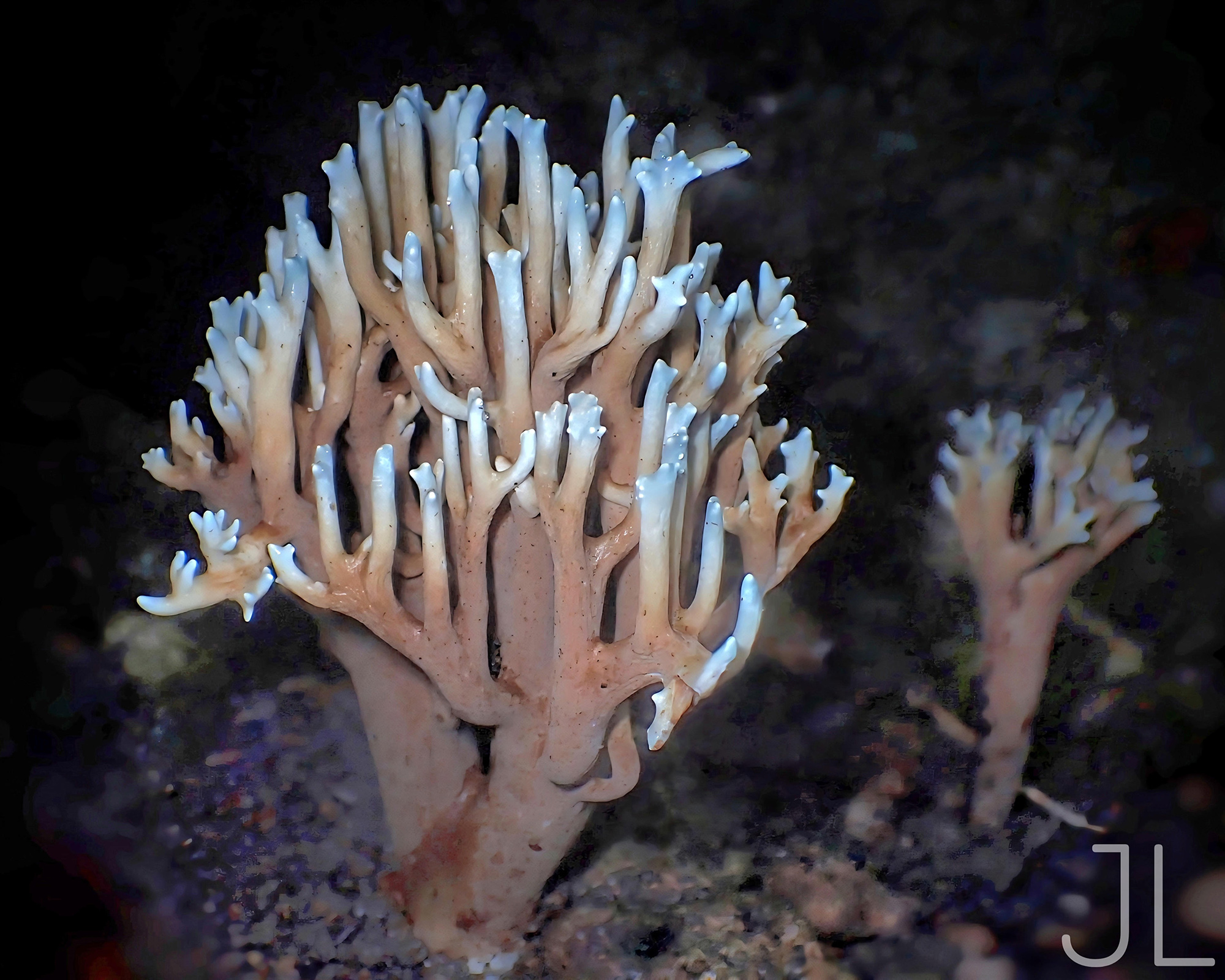 Phaeoclavulina cyanocephala.
Aseroe rubra
The fungus resembles a devil and is magical and beautiful, with a pileus diameter of about 10 cm. A few years ago, I saw it on Mount Kinabalu where it emitted a faint rotten smell. However, the specimen shown in the picture, discovered in Hong Kong, has no odor.
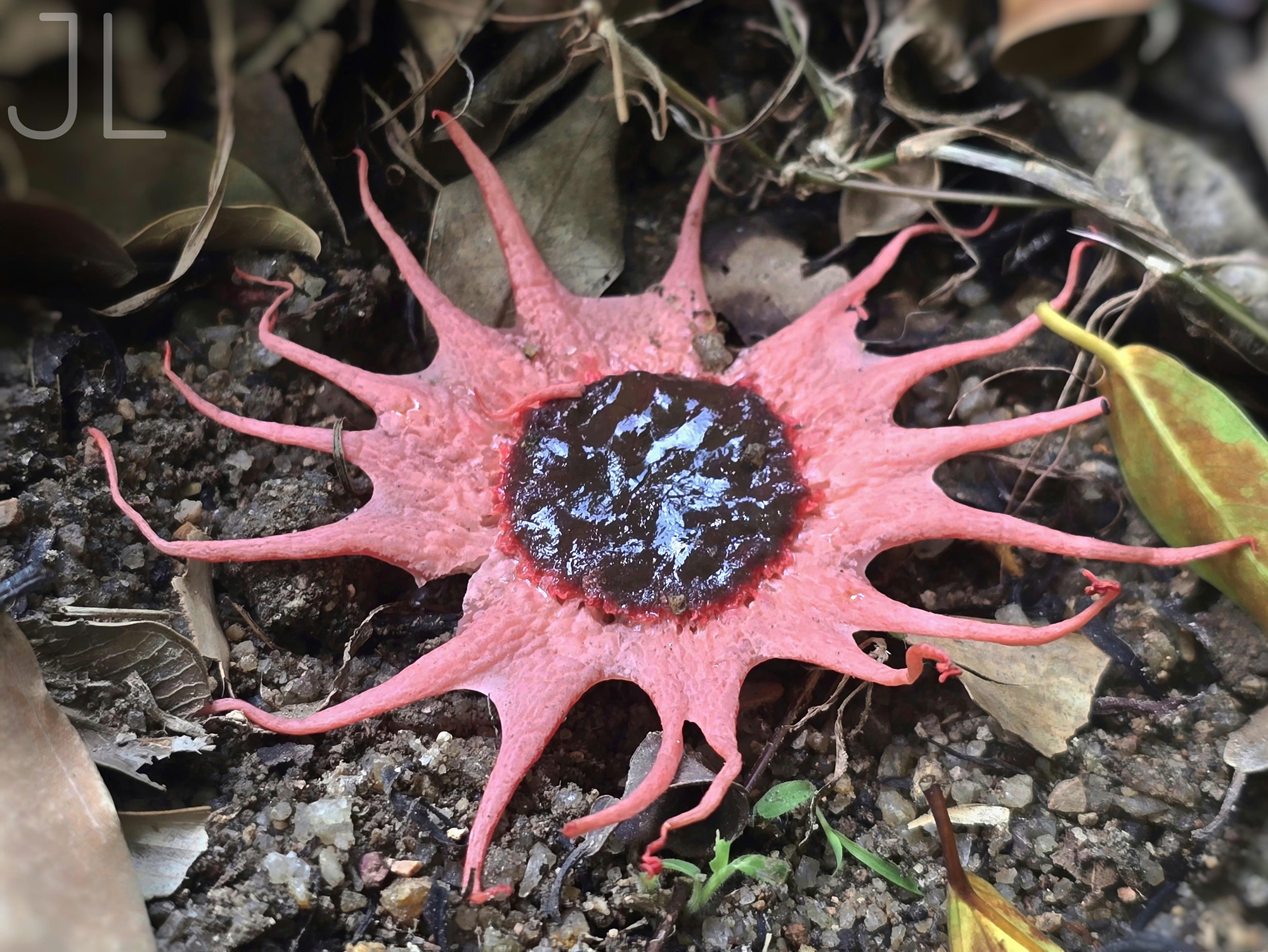 Aseroe rubra.
Mycena subcyanocephala
An ultra-miniature wood-dwelling fungi, the striking blue color of the juvenile stage gradually fades to brown as it matures. The pileus diameter ranges from 1 to 5 mm, and the small droplets on the surface disappear due to drying.
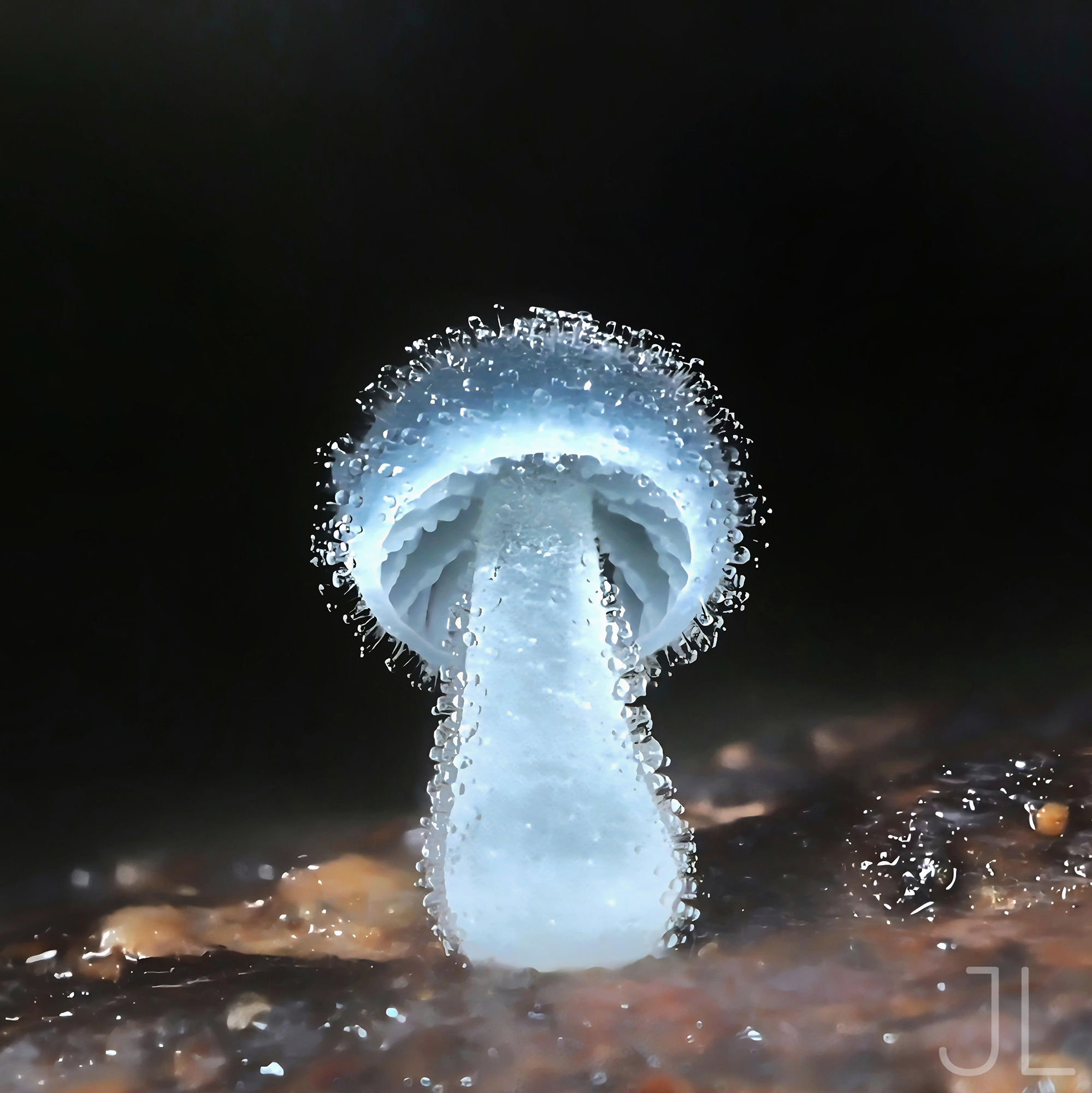 Mycena subcyanocephala.
Mycena species
Miniature fungi scattered on the dead leaves of the blood wood tree, measuring 0.5 to 1 mm, are nearly invisible to the naked eye.
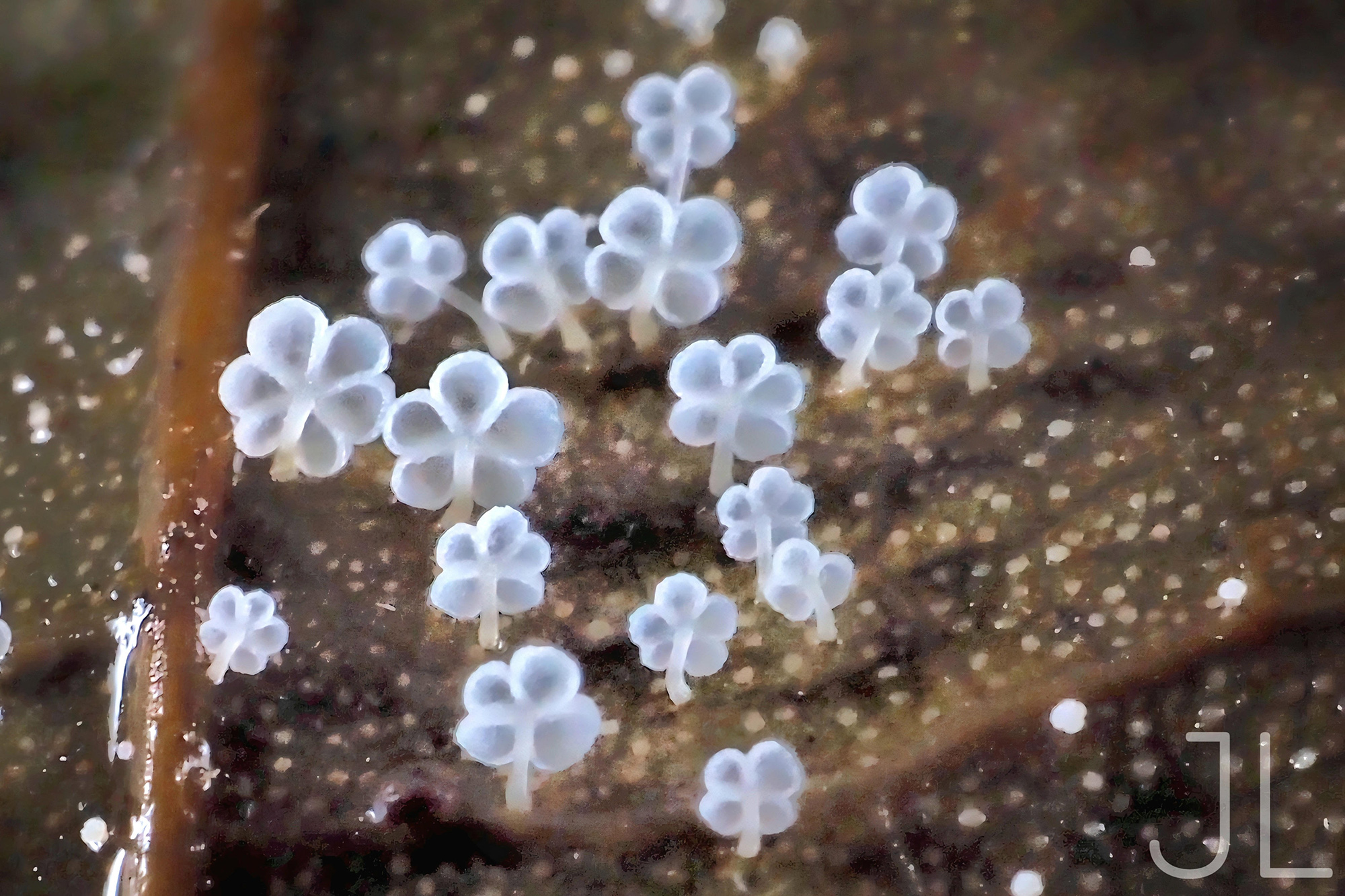 Mycena species.
Neonothopanus nambi
Another slightly larger wood-dwelling fungus that is bioluminescent appears in Hong Kong during May and June.
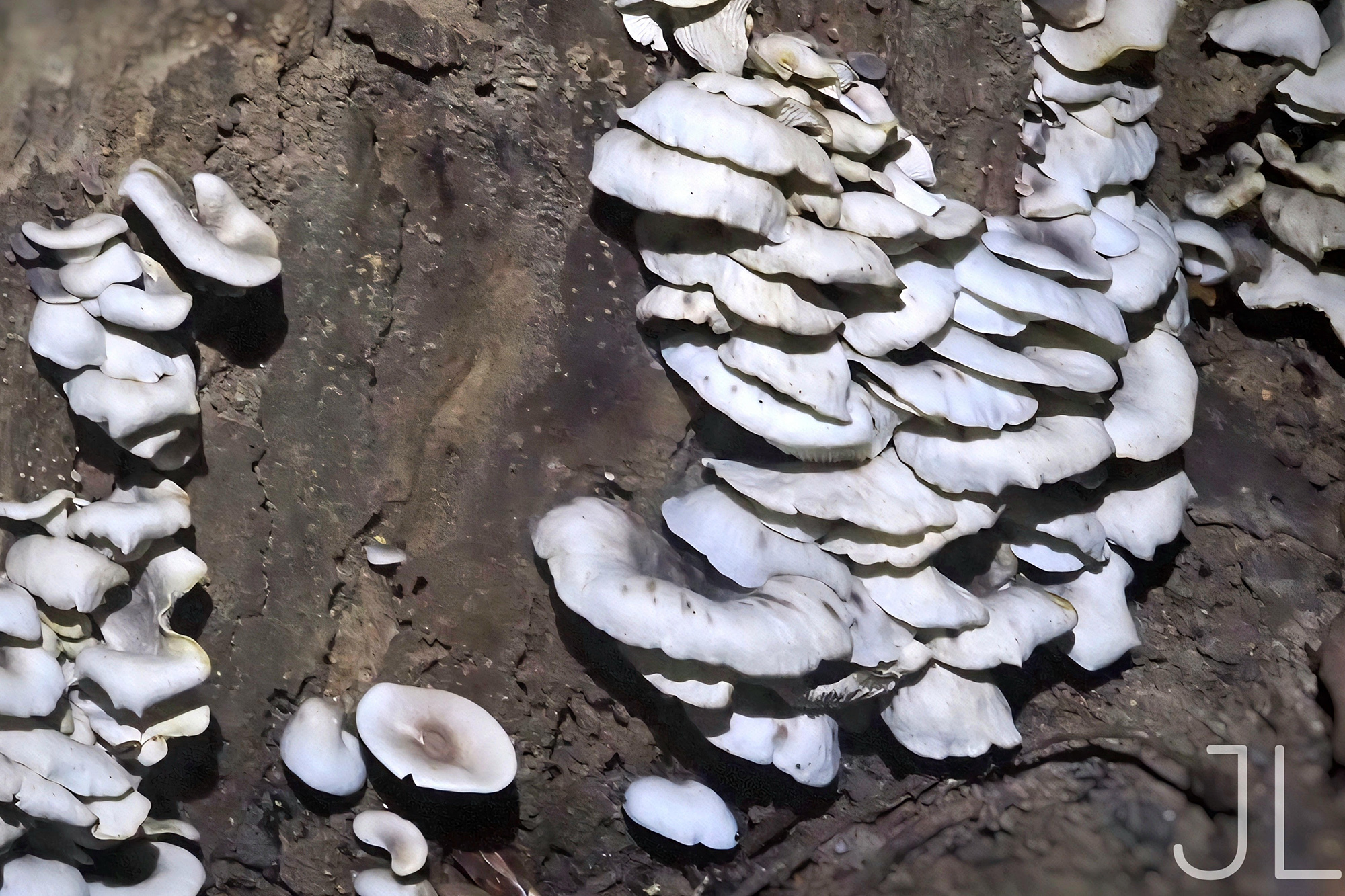 Neonothopanus nambi.
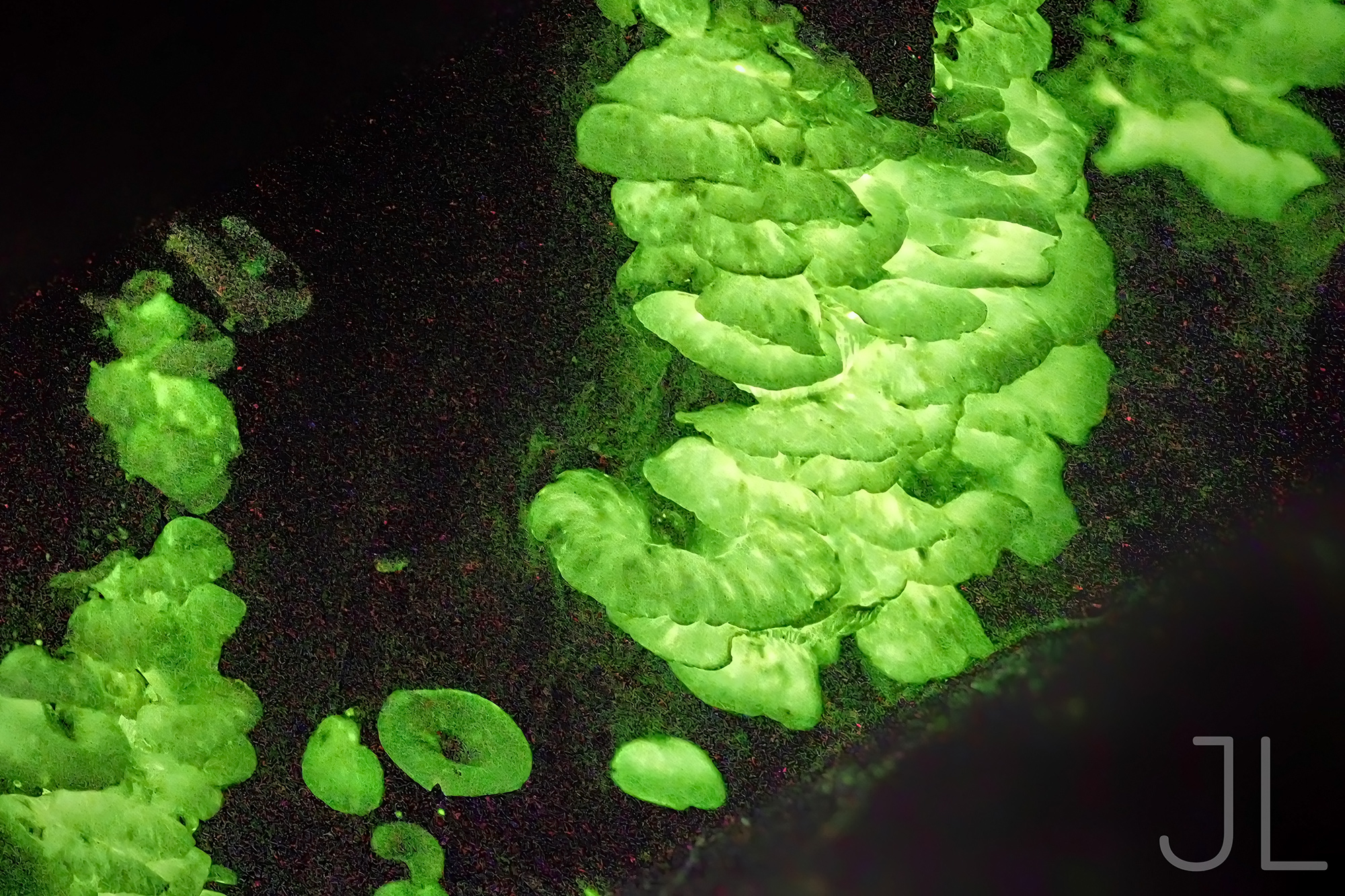 Neonothopanus nambi at night.
【 Subscribe to our newsletter to receive the latest articles by email. 】