

Text。Photography:Rebecca Wong、Matthew Au(Founders, TrailLight)
To say that hiking poses no challenge for visually impaired individuals would be inaccurate; the true challenge lies in society’s entrenched mindset and the surrounding infrastructure. If you, living in the city, were to set aside your smartphone and explore nature not solely through your accustomed sight, but through hearing or touch, you would discover that both your experience and that of visually impaired individuals can be filled with wonder.
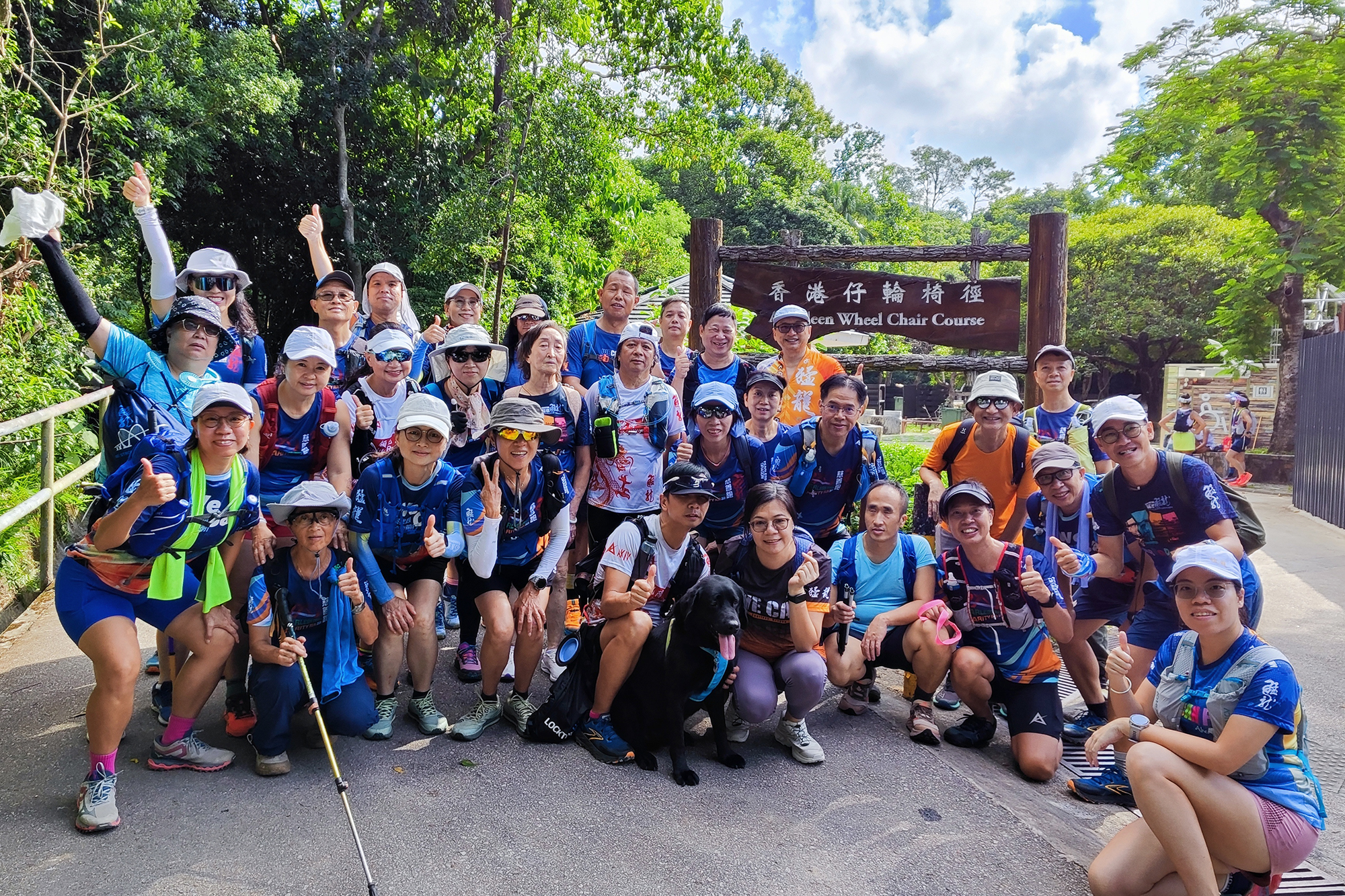
The lives of the visually impaired may differ significantly from our perceptions, yet they do not dwell entirely in darkness, nor does every person require special treatment. Through exchanges with visually impaired friends and shared hiking experiences, TrailLight aims to address common misconceptions and challenges, while offering suggestions for making the countryside more accessible.
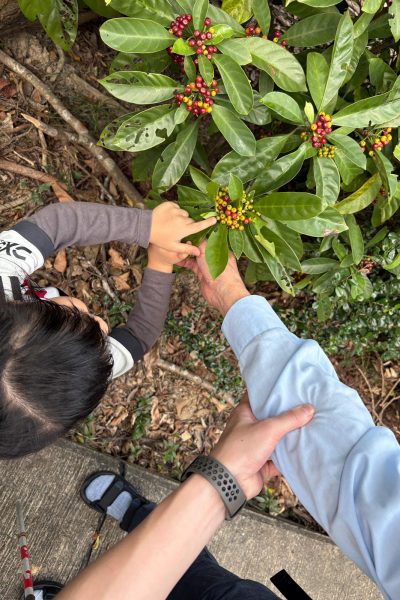
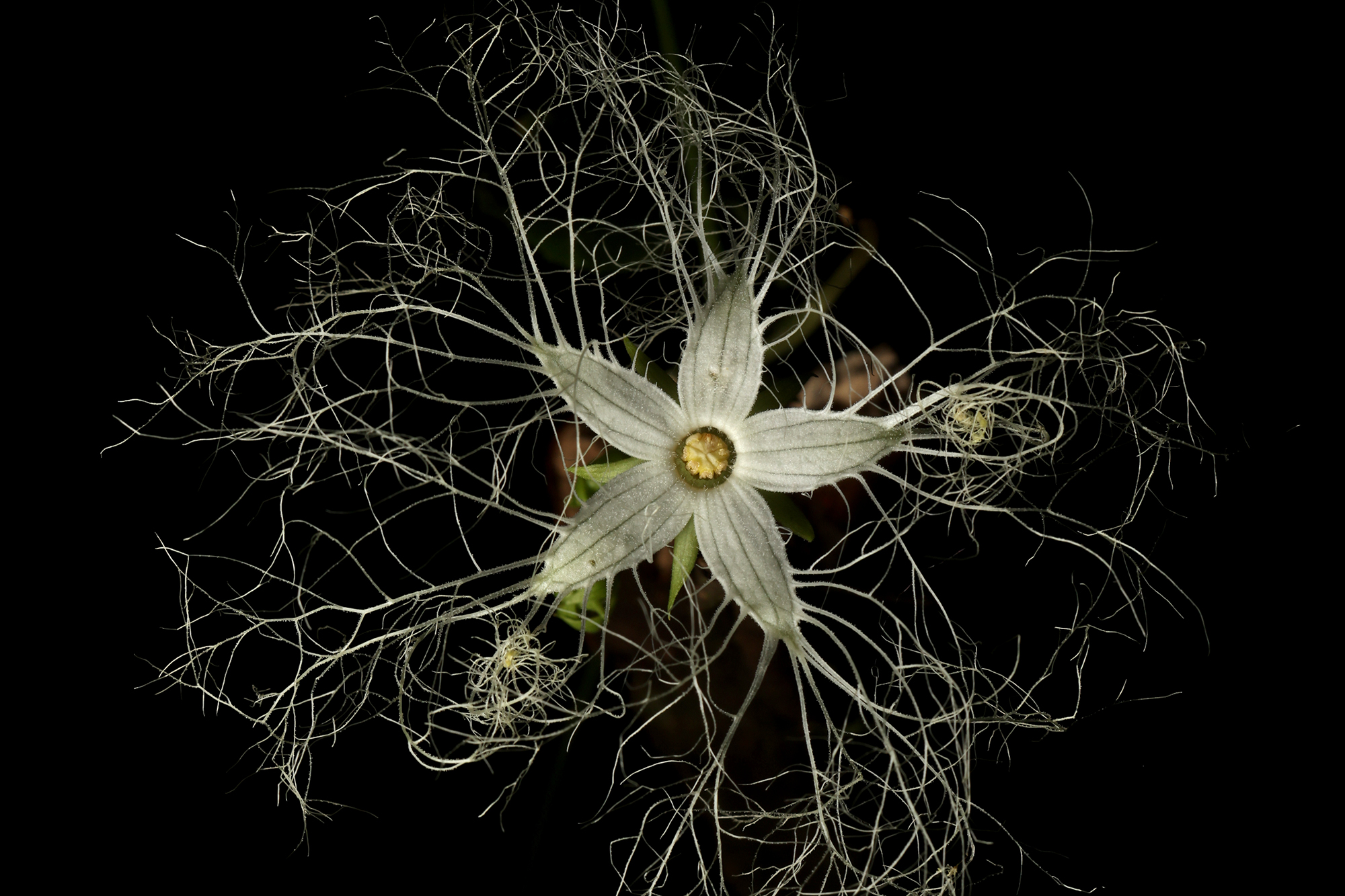
Explore Hong Kong’s most common woody plant—Wild Coffee—with the visually impaired, feeling the leathery texture of its smooth, hairless leaves.
Misconceptions about Visually Impaired Individuals
- Many people mistakenly assume that the visually impaired also have hearing difficulties, and consequently unconsciously raise their voice. In reality, the hearing of the visually impaired is typically no different from that of the general population, and communication at a normal pitch is perfectly adequate. Speaking loudly may instead make them feel uncomfortable, or even lead them to feel they are being singled out for special treatment.
- When accompanying the visually impaired while walking, overly detailed descriptions of each step (such as ‘Now take a step forward; there’s a stone on your left’) may prove tedious. Natural environmental descriptions, such as ‘Ahead lies a stretch of level grassland, with a small stream flowing on your right—can you hear the water?’ enable them to perceive their surroundings more effortlessly and immerse themselves in the present moment.
- Colour is not entirely meaningless to those with visual impairments. Even if they cannot distinguish colours, describing them through mood or imagery allows them to grasp things more vividly. Compared to simply stating ‘green’, describing a meadow as ‘a spring-fresh green’ enables them to perceive their surroundings more tangibly.
- Many people assume that the visually impaired are completely blind, but in fact, many retain some degree of vision, enabling them to perceive blurred outlines, light and shadow, or colours. Therefore, when interacting with them, it is advisable to first ascertain their level of vision before offering appropriate assistance.
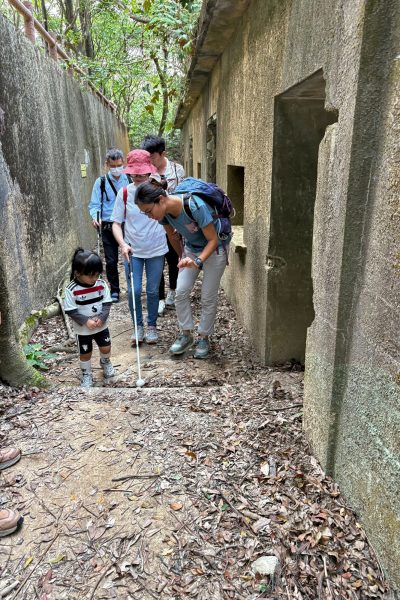
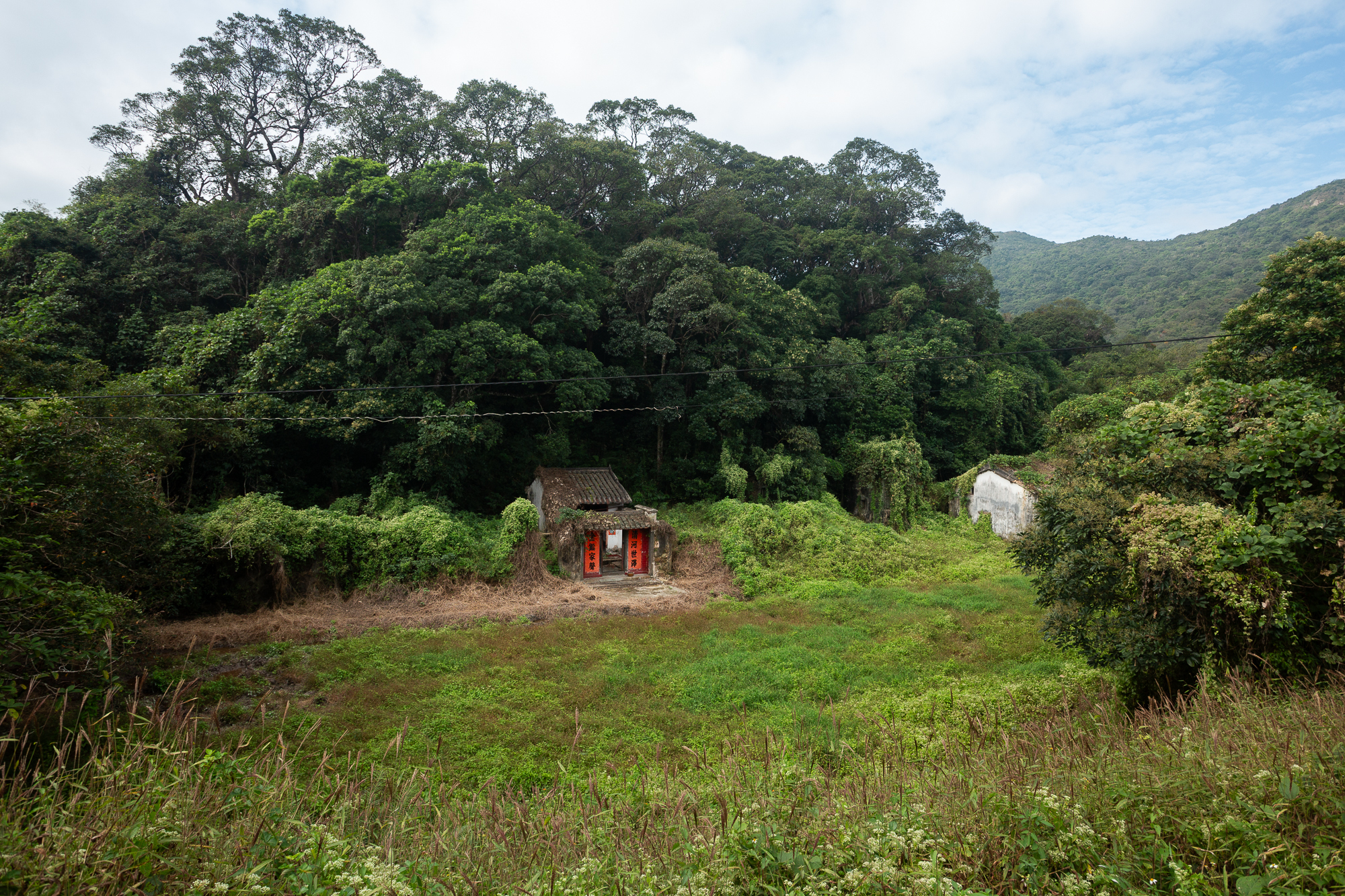
Participants journey through the abandoned Pinewood Battery, learning its history.
The Challenges Faced by the Visually Impaired When Hiking
Hiking with the visually impaired is a fulfilling yet challenging experience. Not only does it allow them to connect with nature, but it also promotes physical and mental wellbeing. However, the countryside presents numerous challenges for them.
- Selecting suitable trails alongside transport arrangements presents its own difficulties. Many natural paths inevitably feature protruding tree roots or rocks, though navigating these obstacles together can deepen friendships.
- Mountain bikers occasionally trespass onto trails, posing particular danger to groups hiking with visually impaired companions. Planners must be aware of sections popular with mountain bikers, maintaining constant vigilance and issuing prompt warnings to avoid collisions. Wind noise, water sounds, or crowd commotion may drown out the guide’s voice, complicating communication. Clearer, more concise verbal instructions are essential in such situations.
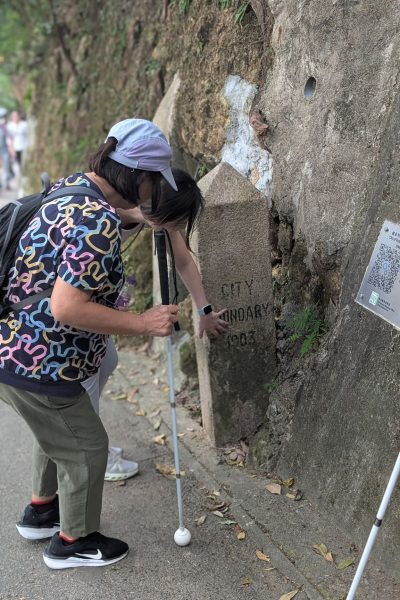
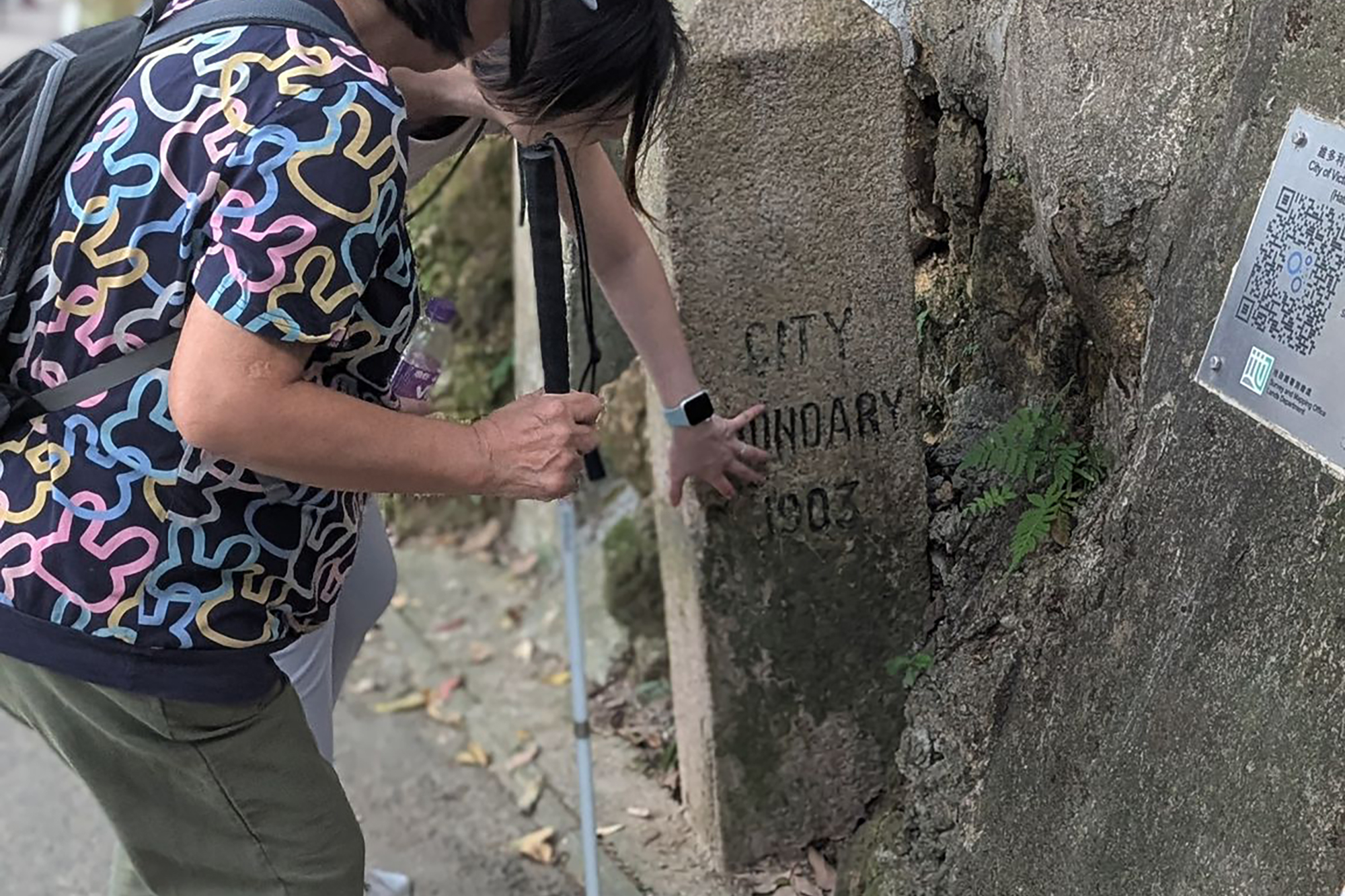
Admire the Victoria City Boundary Stone alongside participants, touching its engraved inscriptions while listening to the guide recount stories from 1903.
Proposed Improvements in Suburban Areas and Information Provision
To enable the visually impaired to enjoy safer and more comfortable outings, accessible design of both the environment and information is paramount. Here are some suggestions:
- Restroom facilities in suburban areas often lack dedicated design for visually impaired users. It is recommended that braille labels be installed at restroom entrances and on internal fixtures (such as taps and hand dryers), supplemented by audio prompts to facilitate use.
- Most signage, route maps, or attraction information boards in rural areas rely solely on visual information, inaccessible to the visually impaired. It is recommended to incorporate braille on these facilities or develop scannable QR codes linking to audio guides or braille versions of the information, enabling the visually impaired to understand attraction backgrounds or route guidance.
- Many official websites for suburban areas or parks lack visually impaired-friendly design, such as web structures compatible with screen readers. It is recommended that websites incorporate accessibility features, including high-contrast modes, text enlargement functions, and detailed information on accessible facilities (e.g., which routes are suitable for the visually impaired, availability of guide dog facilities, etc.). Furthermore, voice navigation or braille download options would significantly enhance information accessibility.
Accompanying visually impaired individuals on a mountain hike is not merely an expedition into nature, but an opportunity to learn respect and understanding. By dispelling misconceptions, overcoming challenges, and advocating for improved environments and accessibility, we can empower the visually impaired to enjoy outdoor pursuits with greater freedom. Each step taken together represents progress towards an inclusive society. May more people join in enthusiastically in future, transforming the countryside into a playground accessible to all—regardless of visual ability.
【 Subscribe to our newsletter to receive the latest articles by email. 】